Peptide Production & Advancement Services The addition of safety systems fits well with the broader series of techniques used in peptide manufacturing, highlighting the value of precision in amino acid coupling. By strategically covering certain amino acid functions, researchers ensure that adhering to responses breakthrough with precision, opening up the course for the managed development of the peptide bond-- an essential turning point in the progressive synthesis process. Moreover, the order of amino acids directs choices worrying deprotection in peptide synthesis, where protective devices are uniquely eliminated to expose receptive areas for ongoing chain lengthening. Thoroughly working with these phases adds to the triumph of developing peptides from the get go, highlighting the value of a well-thought-out peptide synthesis overview. Scilight Biotechnology-- Scilight Bioterchnology LLC was developed in 2002 in Beijing, China.
Peptide Synthesis Market Patterns
We provide services and products to pharmaceutical and biotech business, medical study labs, universities, cosmetic formulators, and a lot more. We offer process advancement and logical solutions for non-GMP grade peptides for a wide variety of customers. AmbioPharm has dealt with products in every phase of advancement from pre-clinical to commercialization, Research Peptide Supplier consisting of logical method and recognition procedure solutions. As an example, some animal researches recommend BPC-157 helps with tissue repair work since it accelerates the growth of new members vessels. Knoepfler cautioned that this peptide can theoretically also encourage the development of precancerous cells. They showed that when acid showed up from the stomach it liberated a chemical messenger from the jejunal mucosa, and this carrier took a trip with the blood to delight the pancreatic to secrete pancreatic juice.
Alta Bioscience-- Alta offer personalized peptide synthesis with an adaptable range of scales and purities, working in collaboration with you to develop optimum options particularly for your synthesis job.
Various other combining agents that result in reduced levels of epimerization, and therefore are especially helpful for head-to-tail peptide cyclizations and piece condensations, consist of O-( 3,4-dihydro-4-oxo-1,2,3- benzotriazine-3-yl)- N, N, N', N'- tetramethyluronium tetrafluoroborate (TDBTU) and 3-( diethylphosphoryloxy) -1,2,3- benzotriazin-4( 3H)- one (DEPBT).
CPPs stand for a feasible strategy for improving the intracellular uptake of healing particles, therefore making it possible for the exertion of restorative results.
SPPS was hence based on "loved one acidolysis," where the Nα-protecting group (Boc) was labile in the presence of modest acid (trifluoroacetic acid; TFA), while side-chain-protecting benzyl (Bzl)- based groups and the peptide/resin affiliation were secure in the presence of modest acid and labile in the presence of strong acid (HF).
Carbodiimides form such a reactive intermediate that racemization of the amino acid can take place. Consequently, reagents that respond with the O-acylisourea intermediate are often included, including 1-hydroxybenzotriazole (HOBt), which forms a less-reactive intermediate that decreases the risk of racemization. Furthermore, side responses triggered by carbodiimides have actually caused the assessment of various other coupling representatives, consisting of benzotriazol-1-yl-oxy-tris(dimethylamino)phosphonium hexafluorophosphate (BOP) and 2-(1H-benzotriazol-1-yl)-1,1,3,3-tetramethyluronium hexafluorophosphate (HBTU), which both call for activating bases to mediate amino acid coupling.
For Peptide Api Manufacturing And Services
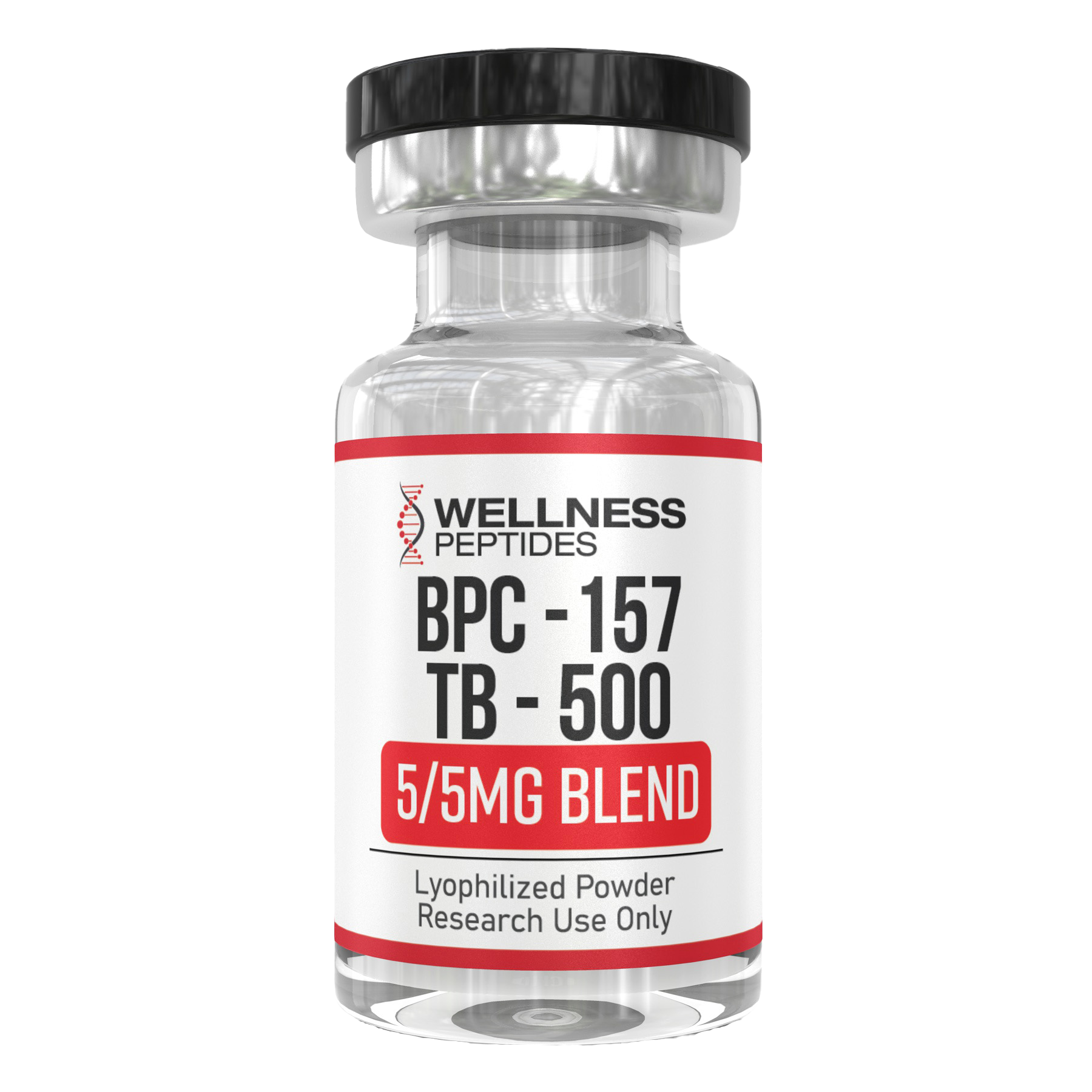
Exactly how is BPC-157 peptide produced?
BPC-157 may be prepared making use of solidphase peptide synthesis (SPPS). In SPPS, amino acids are included stepwise onto a material carrier, with safeguarding groups such as Boc or Fmoc and the use of combining reagents like DIC/HOBt and HATU to turn on the carboxyl team [18]
Because N-terminal deprotection happens continuously throughout peptide synthesis, safeguarding plans have been established in which the various kinds of side chain protecting groups (Bzl or tBu) are matched to either Boc or Fmoc, specifically, for maximized deprotection. These securing systems likewise include each of the actions of synthesis and cleavage, as described in the table and in later areas of this page. We have actually done comprehensive research looking for the very best service providers, and right now, we can suggest Protocole as a credible resource of restorative peptides. There, you'll collaborate with accredited prescribers who curate peptide recommendations based upon your requirements, and you can also pick from a big and expanding magazine of pharmaceutical-grade treatments you might not discover elsewhere. You can locate pharmaceutical-grade versions of non-GLP-1 peptides online, however you require to be quite mindful if you're looking for a peptide therapy for something like muscle mass growth, immune function, durability, or one more health and wellness concern unrelated to weight-loss. Once peptide synthesis is completed, all remaining safeguarding groups are removed from the nascent peptides. Three types of protecting groups are typically made use of, depending upon the method of peptide synthesis, and are defined below. In cell biology, receptor binding or the substrate acknowledgment uniqueness of newly found enzymes can commonly be studied using sets of homologous artificial peptides. Artificial peptides can resemble normally occurring peptides and serve as medicines against cancer cells and other major diseases. Finally, artificial peptides are made use of as standards and reagents in mass spectrometry (MS)- based applications. Artificial peptides play a main duty in MS-based exploration, characterization and quantitation of proteins, specifically those that function as very early biomarkers for conditions. Approach for site-specific incorporation of carbs during chemical synthesis of peptides has actually established quickly. The mild problems of Fmoc chemistry are a lot more suited for glycopeptide syntheses than Boc chemistry, as repetitive acid treatments can be detrimental to sugar linkages. Fmoc-Ser, -Thr, -5- hydroxylysine (- Hyl), -4- hydroxyproline (- Hyp), and -Asn have all been integrated successfully with glycosylated side chains (Cudic and Burstein, 2008). The side-chain glycosyl is usually hydroxyl-protected by either benzoyl or acetyl teams, although some SPPSs have succeeded without security of glycosyl hydroxyl teams (Otvös et al., 1989b). Deacetylation and debenzylation are done with hydrazine/methanol before glycopeptide/resin bosom or in option with catalytic methoxide in methanol (Sjölin et al., 1996).